
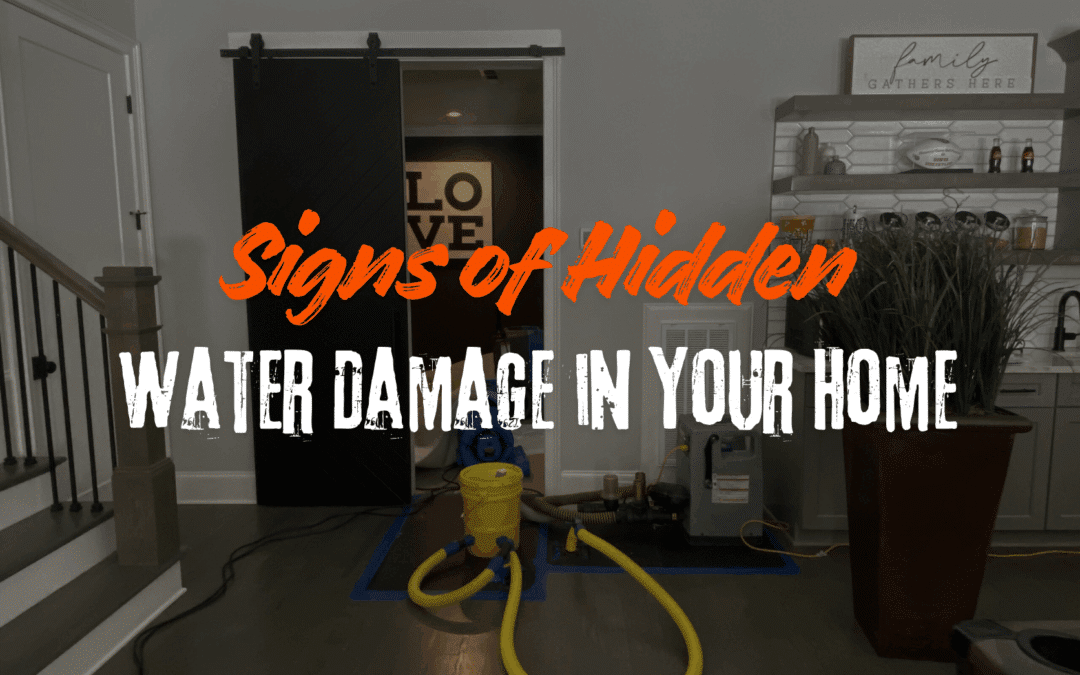
Water damage is a silent threat that can compromise your home’s structural integrity long before it becomes obvious. To help you catch issues early, this guide focuses on the signs of hidden water damage that often go unnoticed until they become expensive emergencies.
By the time visible indicators appear, moisture has likely already seeped into your walls, floors, and foundation. Learning to spot these subtle cues can save you thousands in repairs and protect your family from the health risks associated with mold growth.
Common Signs of Water Damage in Home Areas
Discoloration and Staining
One of the first visible signs of water issues appears as discoloration on walls, ceilings, or floors. These stains often look yellowish, brown, or copper-colored and typically expand over time.
Signs of ceiling water damage include:
- Ring-shaped stains that grow larger
- Bubbling or peeling paint on ceiling surfaces
- Sagging ceiling tiles or drywall
- Dark spots that feel damp to the touch
These marks indicate water has penetrated the structure above, whether from roof leaks, plumbing problems, or HVAC condensation.
Warping and Buckling Materials
Water damages building materials by causing them to swell, warp, or buckle. Hardwood floors may cup or crown when moisture seeps underneath. Laminate flooring might bubble or separate at the seams.
Signs of water damage under floor surfaces include:
- Soft or spongy spots when walking
- Lifting or curling floor edges
- Gaps between floorboards
- Unexplained squeaking in new locations
Wall materials also react to moisture. Drywall becomes soft and crumbly. Wallpaper peels away from walls. Baseboards separate from the wall surface or show gaps.
Musty Odors
The nose often detects hidden water damage before eyes can see it. A persistent musty, earthy smell indicates mold growth—and mold needs moisture to survive.
These odors concentrate in specific areas:
- Behind washing machines and dishwashers
- Under sinks and around toilets
- In closets along exterior walls
- Near HVAC vents and air returns
If the smell grows stronger in certain rooms or after rain, water intrusion is likely occurring in those locations.
Hidden Water Damage Behind Walls
Signs of hidden water damage in walls can be tricky to spot because problems develop out of sight. However, several clues point to trouble:
Peeling Paint or Wallpaper: When moisture builds up inside walls, it pushes paint and wallpaper outward, causing bubbling, cracking, or peeling.
Texture Changes: Walls may feel damp or cold to the touch. The surface might appear slightly swollen or feel spongy when pressed.
Sound Differences: Tapping on a water-damaged wall produces a dull thud instead of the normal hollow sound. This happens because moisture-soaked drywall loses its acoustic properties.
Visible Mold Growth: Small dark spots or fuzzy patches on walls indicate active mold colonies feeding on moisture-damaged materials.
For homeowners in areas like Ballard, WA, where rain is frequent, signs of hidden water damage in walls require regular monitoring, especially on exterior-facing walls and in rooms without adequate ventilation.
Signs of Water Damage in Basement Areas
Basements are particularly vulnerable to water problems because they sit below ground level. Signs of water damage in basement spaces include:
Efflorescence: White, chalky residue on concrete walls or floors indicates water moving through the material and leaving mineral deposits behind.
Cracks in Foundation: Horizontal or stair-step cracks in basement walls can allow groundwater to enter. Vertical cracks may be less serious but still need attention.
Standing Water: Puddles in basement corners or along walls after rain point to drainage problems or foundation leaks.
Humidity and Condensation: Excessive moisture in basements creates condensation on windows, pipes, and walls. A basement that feels clammy or damp has moisture problems.
Rust on Metal: Water heaters, furnaces, or metal poles showing rust indicate high humidity or direct water contact.
Signs of Moisture Under House (Crawl Spaces)
Crawl spaces often go uninspected for years, allowing water damage to progress unchecked. Signs of moisture under house structures include:
- Sagging or bouncy floors in rooms above the crawl space
- Increased pest activity (termites, carpenter ants)
- Visible standing water or wet soil
- Wood rot on floor joists or support beams
- Mold growth on wood surfaces
- Strong musty odors are entering the home
Proper crawl space ventilation and moisture barriers prevent these problems. Regular inspections catch issues early.
Additional Warning Signs Throughout the Home
Higher Water Bills
Unexplained increases in water bills often signal hidden leaks. Even small drips can waste hundreds of gallons monthly.
Running Water Sounds
Hearing water running when all fixtures are off indicates an active leak somewhere in the plumbing system.
Water Meter Activity
Turning off all water-using appliances and checking the water meter provides a clear leak test. If the meter continues moving, water is escaping somewhere.
Mold and Mildew Growth
Mold appears in various colors—black, green, white, or orange. It grows on walls, ceilings, grout, window frames, and fabrics. Any mold growth indicates excess moisture.
Damaged Exterior Signs
Outside the home, look for:
- Cracked or missing roof shingles
- Damaged flashing around chimneys and vents
- Clogged or sagging gutters
- Standing water near the foundation
- Soil erosion around the home’s perimeter
What Causes Water Damage in a House?
Understanding sources helps homeowners prevent problems:
Plumbing Failures: Burst pipes, leaking connections, and failed water heaters cause sudden flooding or slow leaks.
Roof Leaks: Damaged shingles, deteriorated flashing, and ice dams allow water entry from above.
Foundation Issues: Cracks and poor drainage let groundwater seep into basements and crawl spaces.
Appliance Malfunctions: Washing machines, dishwashers, and refrigerators with ice makers can leak or overflow.
HVAC Problems: Condensate drain clogs cause water to back up and overflow, damaging ceilings and walls.
Natural Disasters: Heavy rain, flooding, and storms overwhelm drainage systems and roof protection.
Why Quick Action Matters
Addressing signs of water intrusion immediately prevents:
- Structural damage to framing, joists, and foundations
- Mold growth that affects indoor air quality and health
- Decreased property value
- Higher repair costs as damage spreads
- Electrical hazards from water near wiring
- Pest infestations in damaged wood
Water damage rarely improves on its own. Small leaks become major problems when ignored.
Professional Inspection Benefits
Homeowners can see many warning signs. However, professional inspections use tools like moisture meters and thermal cameras. These tools can find problems that are not visible to the naked eye.
Companies specializing in cleaning Nashville TN properties and surrounding areas offer thorough assessments that identify:
- Moisture levels in walls, floors, and ceilings
- Hidden leaks behind finished surfaces
- Ventilation and humidity problems
- Structural damage severity
- Mold presence and extent
Professional evaluation provides accurate diagnosis and appropriate repair recommendations.
Prevention Tips
Protecting homes from water damage requires regular maintenance:
- Clean gutters and downspouts seasonally
- Inspect roofs annually for damage
- Test sump pumps before rainy seasons
- Check appliance hoses and connections yearly
- Maintain proper grading around foundations
- Install water detection alarms near vulnerable areas
- Monitor water bills for unusual increases
- Fix small leaks immediately
Prevention costs far less than repairs after significant damage occurs.
Frequently Asked Questions
How long does it take for water damage to show?
Visible water damage signs can appear within 24-48 hours for major leaks. However, slow leaks may take weeks or months before signs become obvious. Mold can begin growing within 24-72 hours in damp conditions.
Can water damage be fixed?
Yes, you can repair water damage if you catch it early. The process involves removing standing water, drying affected materials, replacing damaged components, and addressing the water source. Extensive damage may require replacing drywall, flooring, insulation, or structural elements.
What does water damage smell like?
Water damage typically produces a musty, earthy odor similar to wet cardboard or dirty socks. The smell comes from mold and mildew growing in damp materials. Some describe it as stale or dank.
Does homeowners’ insurance cover water damage?
Coverage depends on the water source. Insurance typically covers sudden, accidental damage like burst pipes or storm damage. It usually excludes gradual damage from neglected maintenance, flooding (which requires separate flood insurance), or groundwater seepage.
How much does water damage restoration cost?
Costs vary widely based on damage extent, affected materials, and water category (clean, gray, or black water). Minor repairs might cost $500-$1,500, while extensive damage can reach $10,000-$50,000 or more. Quick action minimizes costs.
Can water damage cause foundation problems?
Absolutely. Water erodes soil around foundations, creates hydrostatic pressure against basement walls, and can cause cracks, settling, and structural instability. Foundation repairs are among the most expensive home fixes.
What should I do if I find water damage?
Stop the water source if you can. Take photos of the damage. Contact a water damage restoration company right away.
Notify your insurance company. Remove valuable items from affected areas and improve ventilation if safe to do so.
How can I test for hidden water damage?
Professional moisture meters detect hidden dampness in walls and floors. Homeowners can check for soft spots, discoloration, temperature differences, and unusual odors. Thermal imaging reveals moisture patterns invisible to the eye.
Conclusion
Recognizing signs of water damage in home structures protects health, safety, and finances. From obvious ceiling stains to subtle moisture under floors, early detection allows for prompt repairs before minor issues become major disasters.
Regular inspections of basements, crawl spaces, roofs, and plumbing systems help catch problems early. When signs appear, quick professional assessment and repair prevent further damage and costly complications.
Homeowners who stay alert to these warning signs and address problems promptly maintain safe, healthy, and valuable properties for years to come.
For professional water damage assessment and restoration services, Blue Chip Restoration offers expert solutions. Visit Blue Chip Restoration to learn more about protecting homes from water damage.