
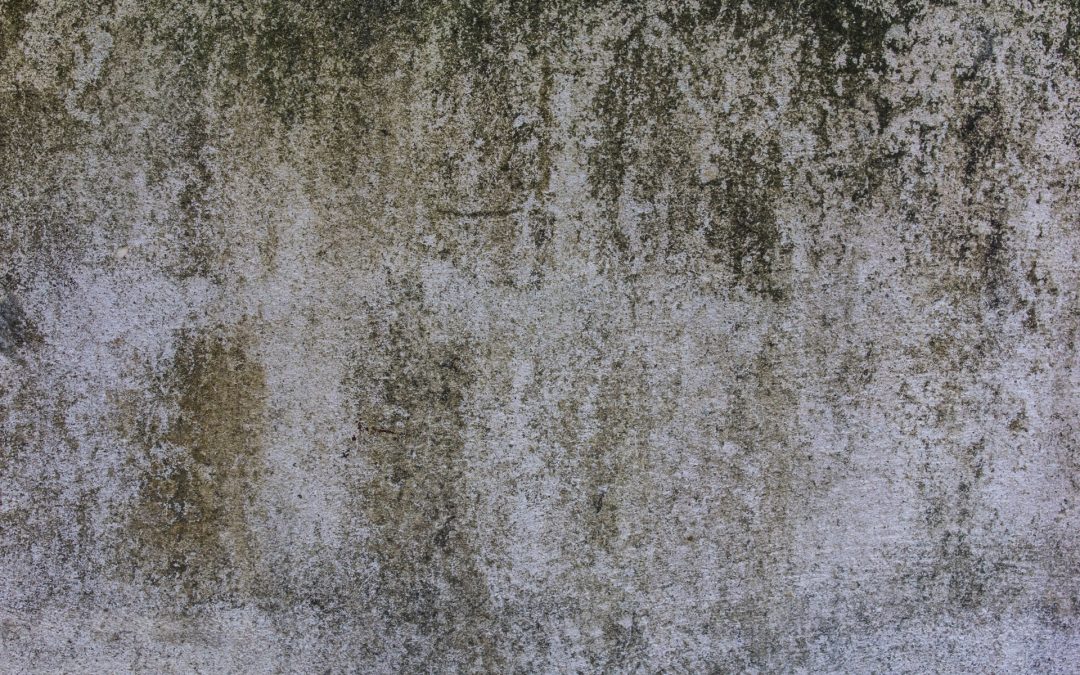
Mold is a fungus that thrives in wet locations, emitting unpleasant smells and/or leading to breathing issues, allergic reactions, migraines and other symptoms when it spreads throughout the home. Most homeowners first become aware of mold through the presence of a foul odour. However, visible mold can come in numerous shades, including black, green, pink, and orange.
When detected early, small amounts of mold can usually be removed without requiring the services of a specialist. Nevertheless, large amounts of mold typically require extensive assessment and removal by an experienced company. If you find any form of mold inside your home follow the steps indicated below.
1. Find the Water Source
Without Moisture, Mold Cannot survive. The First Step in Mold Remediation Is to Identify & Repair the Source of Water.
Water Sources That Are Commonly Associated with Mould: Roof and Plumbing Leaks (Kitchen & Bath), Laundry Room or Utility Room, Basements and Crawl Spaces, Poor Drainage or Runoff from Outside.
In some cases, fixing the water source is easy; caulking the shower, fixing a leaky pipe, & putting the water from the downspouts away from the foundation will do the trick. If you do not stop the flow of moisture, you will continue to have mold issues.
2. Close Off the Affected Area
The air is filled with tiny pathogen spores dispersed by mold. If you want to stop the spread of mold to other parts of your house, make sure all doors and windows remain tightly shut.
Do not use air or heating fan systems; they only create a breeze that carries spores into the surrounding area.
When leaving the area where mold is present, try leaving through an outer door.
During the cleaning or removal of mold, it is vital to be careful not to kick up any spores.
3. Remove Mold-Damaged Materials
Airborne mold spores are dispersed by air, and a draft or windstream moving through a House (when you open windows and/or doors) will allow them to be transported.
Do Not Use Any Air, Heating Fan Systems: Air and Heating Fan Systems create airflow that will Move Mold Spores into Your Immediate Area.
When exiting an area containing mold, always exit through an External Doorway.
During Cleaning/Removal of Mould, Be Careful Not To Create Airflow Within the Area.
4. Clean Small, Non-Porous Surfaces
You can try limited cleaning for small areas of mold on the wall is painted ceilings tile or glass. For safety when cleaning use gloves and a dust mask. Use dish soap mixed with warm water to scrub gently with a toothbrush or soft brush. Do not use bleach or other strong chemicals for this type of mold because while they might clean the surface, they don’t penetrate porous surfaces; therefore, mold spores continue to live and grow.
When Should You Call a Professional Mold Removal Company?
You should consult with a qualified remediation service, such as Blue Chip Restoration, under the following circumstances:
The amount of mold exceeds a 10 square foot area.
You repeatedly find the same or similar type/amount of mold after you have cleared it from your home or property.
There is an infested area within the walls, ceilings, or duct systems of your property.
Someone at your home or property has reported experiencing difficulty breathing, itchiness or allergies as a result of mold exposure.
You have had a flooding event or some other water intrusion occur in your home.
Professional mold assessment and remediation companies utilize containment barriers, HEPA filtration systems, and negative air pressure systems to limit cross-contamination and ensure that everything is removed entirely and safely.
Why Choose Professional Mold Remediation?
By using professional remediation methods for all types of mold contamination, Blue Chip Restoration will:
– Assess & test for the presence of mold accurately
– Contain the entire area(s) affected by mold
– Remove all contaminated materials safely
– Prevent any future growth of mold
Blue Chip Restoration employs qualified technicians who have received specialized training and possess adequate equipment necessary to protect both you and your home.
FAQs About Mold Assessment & Removal
When is mold dangerous?
If it is growing in large amounts, hidden, or causing health problems, you should have a professional inspect the mold.
Can I remove mold myself?
You can clean small amounts of surface mold yourself, but large or recurring areas of mold should be cleaned by a professional.
Does mold always smell?
Not all types of mold have a smell; however, persistent musty odors can indicate that there is invisible growth of mold.
How quickly does mold take over a home?
Mold can start to grow within 24 to 48 hours of having water in an area.
Does removing mold cause it to come back?
Without addressing the moisture problems that cause mold growth, the mold will return. Because a professional will address both the cause and the mold itself, their removal will provide a more permanent solution to the issue.