
Yes, homeowners insurance may cover water damage in Nashville, TN, especially when the damage happens suddenly and accidentally. A burst pipe, broken washing machine hose, or unexpected plumbing failure may qualify for coverage. However, most standard policies don’t cover flooding from outside the home, long-term leaks, or damage caused by poor maintenance.
The cause of the water damage matters more than how much water you find.
For Nashville homeowners, understanding that difference can help you make better decisions about cleanup, repairs, and filing an insurance claim.
What Types of Water Damage Does Homeowners Insurance Cover in Tennessee?
Homeowners insurance typically provides some protection against sudden, unexpected water damage. But every policy has its own terms, limits, and exclusions.
Here are common water damage situations and how insurance may apply.
| Cause of Water Damage | Usually Covered? | What to Know |
| Burst water pipe | Often yes | Generally covered when sudden and accidental, subject to policy conditions |
| Washing machine hose failure | Often yes | Resulting water damage may be covered, but replacing the appliance or hose may not be |
| Sudden water heater leak | Often yes | Coverage may apply to damaged flooring, walls, or belongings |
| Hidden plumbing leak | Depends | Sudden damage may qualify, while long-term seepage is often excluded |
| Roof leak after storm damage | Sometimes | Coverage may apply if a covered storm event damaged the roof |
| Sewer or drain backup | Usually not under standard coverage | Additional water backup coverage may be required |
| Floodwater entering from outside | Usually no | Typically requires separate flood insurance |
| Long-term leak from poor maintenance | Usually no | Insurers may exclude gradual or preventable damage |
According to the National Association of Insurance Commissioners, homeowners policies generally cover sudden and accidental water discharge from plumbing systems, although coverage can depend on how the damage occurred and whether the homeowner took reasonable precautions.
One detail often surprises homeowners: an insurance company might pay to repair a damaged kitchen floor without paying to replace the faulty dishwasher that caused the leak.
Does Homeowners Insurance Cover Burst Pipes in Tennessee?
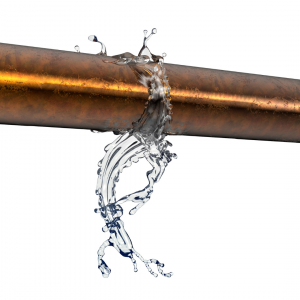
A burst pipe is one of the more common examples of water damage that homeowners insurance may cover.
Suppose a water supply pipe suddenly breaks behind your kitchen wall. Water spreads into the drywall, cabinets, and flooring before you discover it.
If the loss qualifies under your policy, insurance may help pay for drying and repairing those damaged materials.
The damaged pipe itself may be treated differently. The plumbing repair might remain your responsibility even when the resulting water damage is covered.
What about pipes that freeze during a Tennessee winter?
Frozen pipe damage can be covered, but insurers may review the precautions you took to prevent freezing.
For example, if a pipe bursts despite reasonable efforts to heat and maintain the property, coverage may be available. If you left the heat turned off during freezing weather, your claim could be denied depending on the policy and circumstances.
The Tennessee Department of Commerce & Insurance addressed this issue in its January 2026 winter storm guidance.
If a pipe has burst, turn off the water supply if it’s safe. You can also read Blue Chip Restoration’s guide on what to do when a pipe bursts for practical preparation and shutoff advice.
Does Homeowners Insurance Cover Water Leaks?
It depends on whether the leak happened suddenly or developed over time.
A supply hose that breaks without warning is different from a bathroom pipe that has been dripping inside a wall for months.
Insurance policies often cover sudden and accidental water damage. They commonly exclude damage caused by repeated leakage, deterioration, or maintenance problems.
What if you didn’t know the pipe was leaking?
Finding a leak for the first time doesn’t automatically mean the damage happened recently.
An adjuster may look at the apparent cause, condition of the plumbing, signs of previous moisture, and the terms of your policy.
Some policies also contain specific provisions for hidden water damage. Ask your insurance agent whether your policy includes this protection.
If you notice unexplained stains, soft drywall, warped flooring, or a musty smell, read our guide to the signs of hidden water damage in your home.
Finding the source early can help prevent additional damage, regardless of whether insurance ultimately covers the loss.
Does Homeowners Insurance Cover Water Damage From Rain or Storms?
Sometimes. The difference is how the rainwater entered your home.
For example, strong winds might damage part of a roof, allowing rainwater to enter through the opening. If wind damage is covered under your policy, the resulting interior water damage may also qualify.
But if heavy rainfall causes a nearby creek to overflow and water enters through your doors, that is generally considered flooding.
Most standard homeowners policies don’t cover that type of damage.
The Tennessee Department of Commerce & Insurance explains that standard policies generally exclude flood damage and may also exclude storm-related interior water damage when there has been no covered damage to the home’s roof or walls.
Is flood insurance different from water damage insurance?
Yes.
Homeowners insurance may cover certain sudden indoor water losses. Flood insurance is separate protection intended for qualifying flood damage.
Tennessee’s National Flood Insurance Program information explains that most homeowners policies don’t cover flooding.
Nashville homeowners should not assume that living outside a mapped high-risk flood zone means their property cannot flood.
If you’re unsure which type of water damage you have, document where the water came from and contact your insurance company.
Will Homeowners Insurance Pay for Water Damage Restoration?
If your water damage claim is covered, your policy may help pay for necessary mitigation and repairs, subject to deductibles, coverage limits, and exclusions.
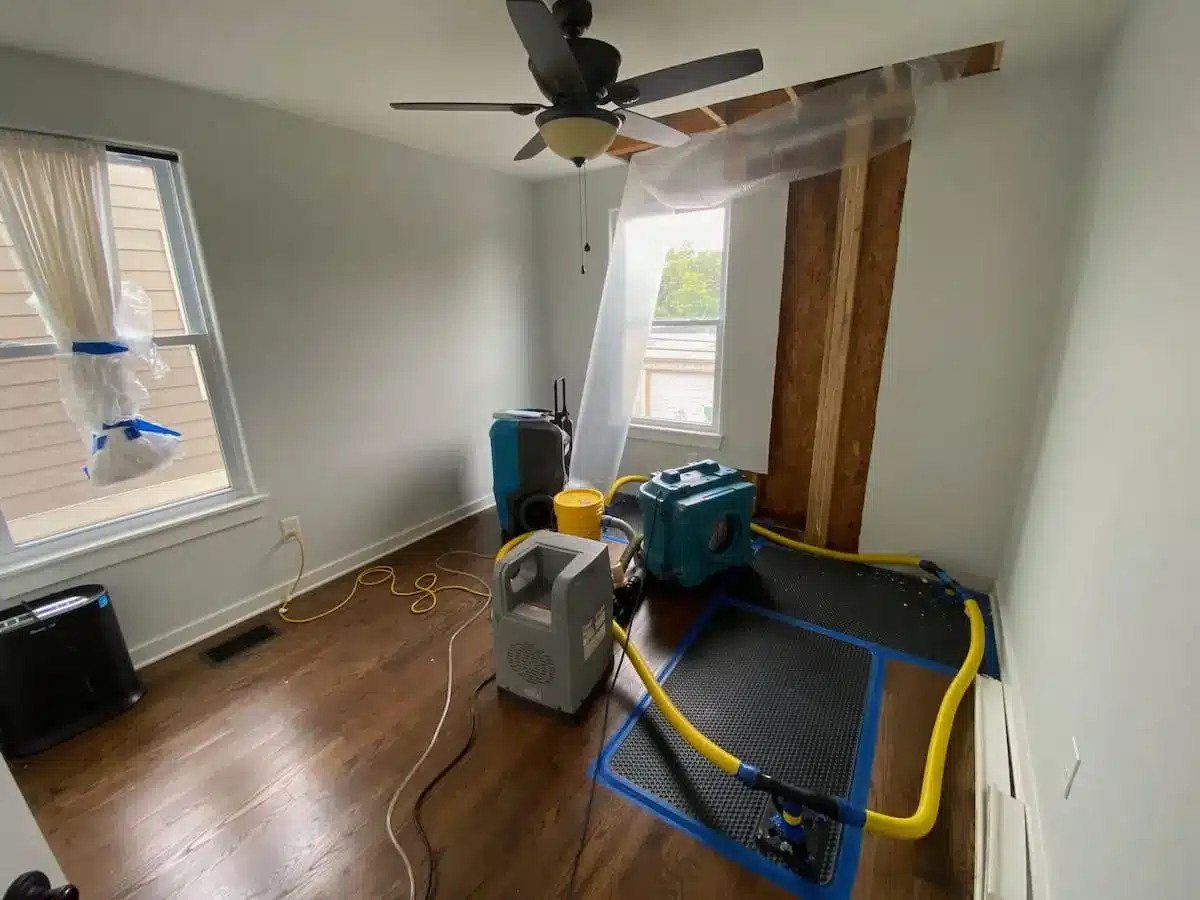
Depending on the loss, that work could include water extraction, structural drying, removal of damaged materials, cleaning, and repairs to affected walls or flooring.
The scope matters.
Water that has spread beneath hardwood flooring or behind kitchen cabinets may require more work than a spill that stayed on a hard surface.
That’s why a proper moisture assessment is useful even when the visible water has already been removed.
Blue Chip Restoration provides professional water damage restoration in Nashville, including water extraction, moisture detection, structural drying, cleanup, and reconstruction.
As a licensed general contractor, Blue Chip can also handle necessary rebuilding after the property has been dried.
The insurance company still makes the coverage decision. A restoration contractor can document the affected areas and the work performed, but cannot guarantee that a claim will be approved.
Will you have to pay a deductible?
Usually, a covered homeowners insurance claim is subject to the deductible stated in your policy.
For example, if a covered loss results in $5,000 of approved damage and your deductible is $1,500, the insurer’s payment may be $3,500, assuming no other limits or adjustments apply.
For a smaller loss, compare the repair estimate with your deductible before deciding whether a claim makes financial sense.
If you’re still comparing repair costs, see our guide on how much water damage restoration costs in Nashville, TN.
What Should You Do Immediately After Water Damage?
Don’t leave standing water in your home while waiting to learn whether insurance will cover it.
Take these steps to protect the property and prepare for a possible claim.
- Stop the water source if it’s safe. Shut off the appropriate water valve if a pipe or appliance is leaking. If you cannot safely stop the leak, contact a plumber.
- Watch for electrical hazards. Stay out of standing water near outlets, electrical equipment, or a submerged electrical panel. Do not enter an unsafe area to shut off the electricity.
- Take photos and videos. Record the source of the water, wet flooring, damaged walls, ceilings, furniture, and visible belongings before cleanup when safe.
- Contact your insurance company. Explain what happened and ask about reporting requirements, covered emergency work, and next steps.
- Arrange necessary water mitigation. If water has entered building materials, professional extraction and drying may help prevent additional damage. Document urgent work and keep receipts.
- Keep damaged materials when practical. Your adjuster may need photographs, damaged parts, or other evidence. Ask before discarding important items, particularly if contamination requires immediate disposal.
- Wait before permanent reconstruction. Discuss permanent repairs with your insurer after the loss has been assessed. Necessary temporary measures to protect the home should not be confused with full rebuilding.
These steps are consistent with the Tennessee Department of Commerce & Insurance’s claims guidance, which recommends documenting damage, notifying the insurer promptly, protecting the property from further harm, and keeping repair records.
How to File a Water Damage Insurance Claim in Nashville
Once the immediate situation is under control, contact your insurance company or agent to report the loss.
Have your policy number ready. Explain when you discovered the problem, what you know about the cause, and which parts of your property were affected.
Don’t guess about how long a hidden leak existed or make claims about the cause that you cannot verify.
Your insurer may assign an adjuster to inspect the damage and review your coverage.
Documents worth keeping for your insurance claim
Keep a simple record of the incident, including:
- Photos and videos showing the affected rooms and materials
- The date you discovered the water damage
- Any plumber’s report identifying the source
- Moisture readings and drying records, when available
- Restoration estimates, invoices, and receipts
- A list of damaged belongings
- Emails, claim numbers, and conversations with your insurer
If water removal or emergency drying begins before the adjuster visits, ask the restoration company to document the condition of the property and the work completed.
Good records can make it easier for everyone to understand what happened and which work was necessary. They do not, by themselves, establish that the loss is covered.
What Should You Check in Your Homeowners Insurance Policy?
Two Tennessee homeowners can have similar water damage but different insurance settlements.
Before assuming a loss is covered, check these parts of your policy.
Coverage exclusions: Look for restrictions involving flooding, repeated seepage, sewer backup, wear and tear, and maintenance.
Deductible and coverage limits: Find out how much of an approved loss you are responsible for and whether special limits apply.
Replacement cost versus actual cash value: Replacement cost coverage generally considers the cost to repair or replace eligible property with similar materials, while actual cash value takes depreciation into account.
Additional living expenses: If covered damage makes your home uninhabitable, your policy may help with certain temporary living expenses.
Water backup and mold coverage: These may have separate limits, endorsements, or exclusions.
An insurance agent can explain your policy’s wording. The insurer determines how those terms apply to your particular claim.
Frequently Asked Questions
Does homeowners insurance cover mold after water damage?
Sometimes. Mold resulting from a covered sudden water loss may qualify for limited coverage under some policies. Mold caused by ongoing moisture or long-term neglect is often excluded. Review any mold or fungi exclusions and coverage limits.
If you’re concerned about moisture that was not dried properly, read how fast mold grows after water damage.
Does homeowners insurance pay to replace a leaking pipe?
Not always. Insurance may cover the water damage caused by an unexpected plumbing failure without covering the cost of repairing the failed pipe. Some policies may cover certain access costs or provide additional protection. Ask your insurer which expenses are included.
What if your Tennessee water damage insurance claim is denied?
Ask the insurance company for a written explanation identifying the relevant policy terms. Review the reason for denial and provide any missing documentation that may change the assessment.
If you believe the insurer handled your claim unfairly, you can contact the Tennessee Department of Commerce & Insurance about your concerns.
Should you call your insurance company or a restoration company first?
If there is active water damage, address immediate safety risks and stop the water source if possible. Notify your insurance company promptly, but do not delay reasonable steps needed to prevent additional damage. Emergency mitigation and claims reporting can happen alongside each other.
Need Water Damage Restoration in Nashville, TN?
Finding water in your home is stressful enough without trying to figure out your insurance policy at the same time.
If a burst pipe, appliance leak, or other water emergency has affected your Nashville property, Blue Chip Restoration can assess the damage and explain what needs to be dried, repaired, or replaced.
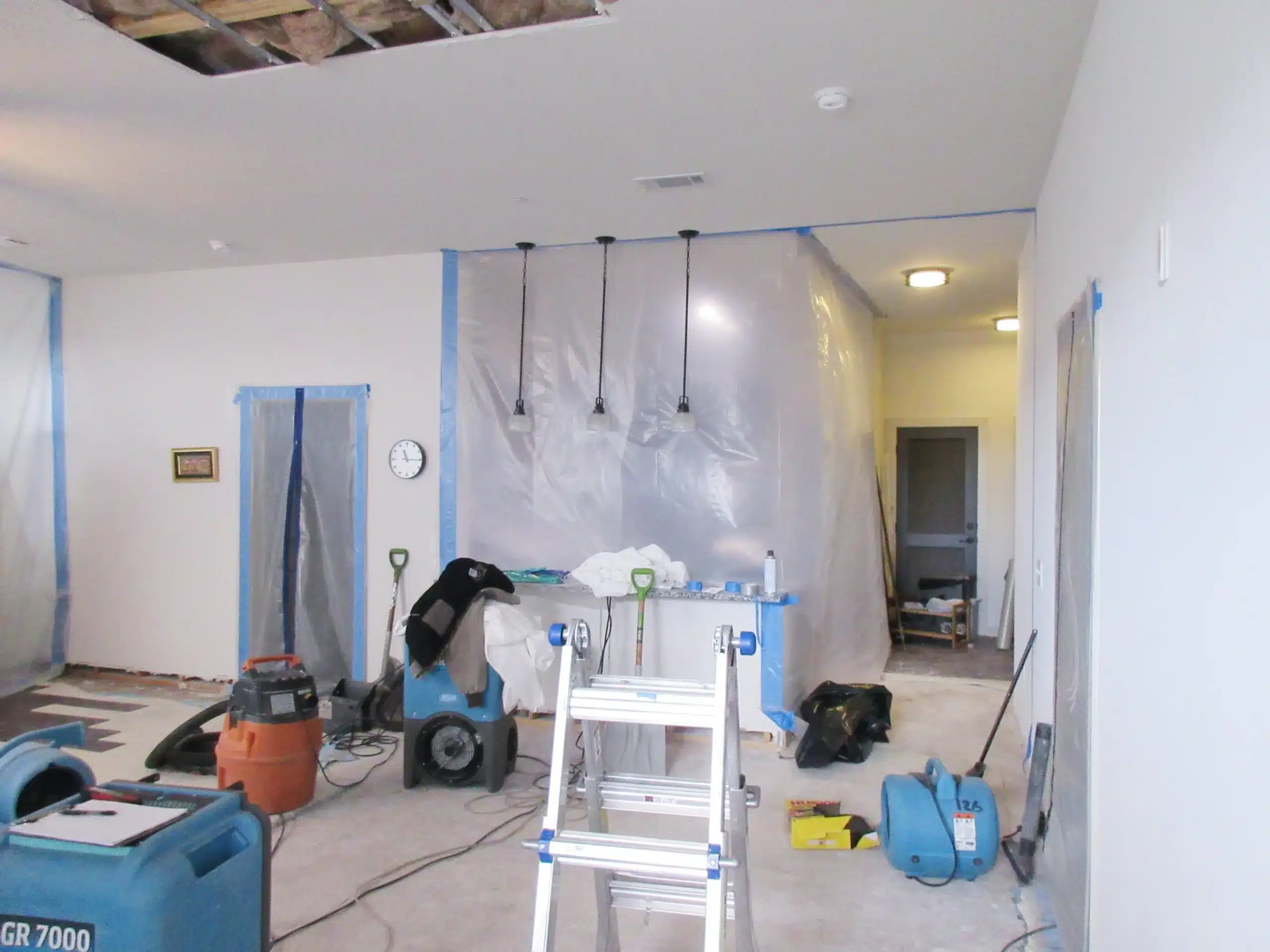
Our team provides 24/7 emergency water damage restoration, including water extraction, moisture detection, structural drying, cleanup, and reconstruction. We also document restoration work and coordinate with insurance providers during the process.
Insurance coverage is determined by your insurer, but you can start protecting your property right away.
Call Blue Chip Restoration at (615) 832-5300 or request a water damage assessment.
Serving Nashville, Donelson, Hermitage, Mt. Juliet, Franklin, and surrounding Middle Tennessee communities.